

Exercise For Healthy German Shepherd Puppies
Like most breeds, German Shepherd puppies require lots of daily physical and mental activity. If they're not engaged, they can get bored and exhibit destructive behaviors like chewing or digging on your shoes!
Find an ethical breeder who takes care to produce dogs with even temperaments. Look for a responsible breeder who can perform health tests and provide pedigree data for each puppy.
Health
German Shepherds should also eat a healthy diet. They need an appropriate diet of proteins, fats, and carbohydrates and also some fruits and vegetables. Carbohydrates like those found in whole grains and legumes, provide energy that is steady and stable. They also supply fiber and prebiotics (food for beneficial bacteria) and antioxidants. Proteins are essential for growth, repair and maintenance of the body's tissues. deutscher schäferhund kaufen schweiz provide amino acids which are the building components of all cells, and aid in regulating blood sugar levels. Fats are crucial in regulating cholesterol and preventing inflammation.
Like all dogs, German Shepherds are susceptible to arthritis and other musculoskeletal issues. These ailments can be prevented by feeding a high-quality, high-quality food for your dog, and avoiding food scraps and table scraps and exercising your GSD in a secure location when on leash. Do not over-exert the dog. Two hours of exercise a day is enough, especially for puppies.
Certain German Shepherds are predisposed to a disease of the pancreas called exocrine pancreatic insufficiency. This condition causes the pancreas to stop creating the enzymes required for digestion and absorb fats from food. Even though they are eating the food, dogs with this condition will starve to death. Treatment is the constant use of digestive enzymes that are part of the diet.
German Shepherds are also susceptible to skin allergies, usually developing allergic dermatitis at the age of one. This condition is similar to hay fever in humans that causes itchy, swollen paws and belly. Other areas, like the ears or face, may also suffer from dry, flaky, itchy skin. Our vets can prescribe medications to ease your pet's itching and inflammation.
GSDs can also be affected by elbow dysplasia. This painful condition occurs if the elbow joints don't form properly during puppyhood. In mild cases, we may suggest physiotherapy or weight reduction. If the condition becomes more severe, we may recommend surgery to lessen swelling and stiffness. GSDs can also be affected by parasites, such as fleas, ear mites, and ticks. They could also be suffering from hookworms, ringworms or heartworms. Our Central Texas veterinary specialists can prescribe the right medications to treat and prevent parasites.
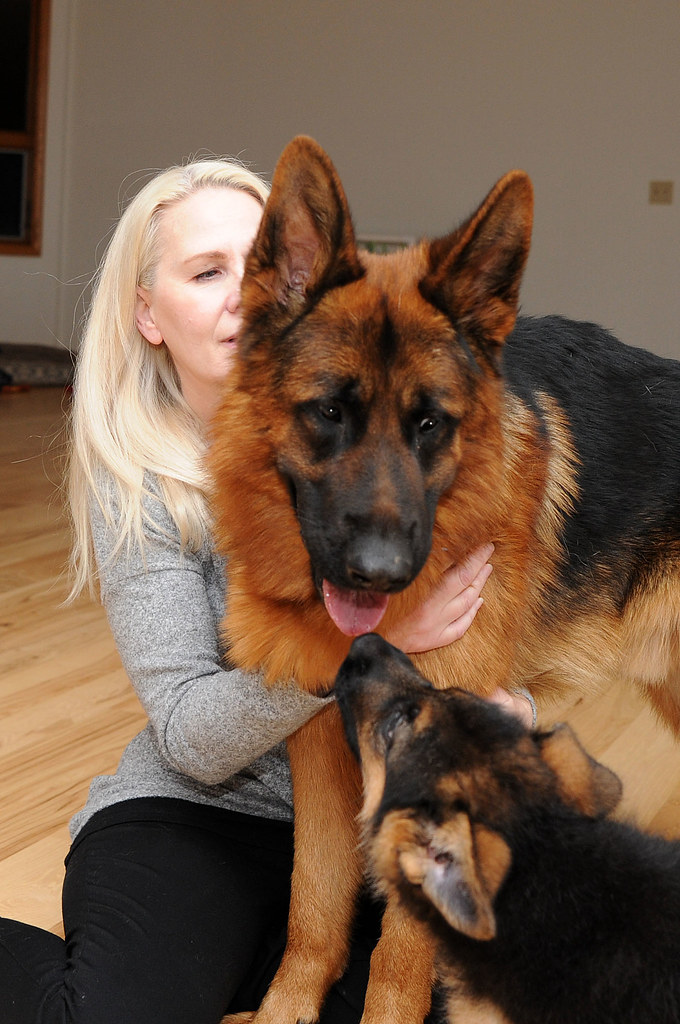
Training
German Shepherds are extremely intelligent and enjoy learning. You can enroll your German Shepherd in a basic or puppy obedience class to teach them commands such as "sit," "down," and "stay." A good trainer can assist you in establishing an easy walking routine.
Online videos can be an excellent source. Hamilton Dog Training also has an excellent video of loose leash. The majority of adult family members is the one who assumes the role of lead trainer, but when you have a seasoned trainer to train your puppy, it can be easier for all members of the family to learn.
Potty training your German Shepherd is vital. A German Shepherd must understand that the potty is outside. Potty pads may confuse them. It is important to watch them to whine and then paw at the door when they're ready to go out. Once they've learned this, they will be able to walk along with you, on a leash in the neighborhood and go to restaurants or pet stores.
Socialization is crucial at this time. This is when they will establish connections that will affect how they perceive the world for the rest of their lives. It's also a crucial moment for them to become used to different kinds of smells, sights and sounds.
The most typical behaviors you'll think of as German Shepherds include guarding, and being stimulated by movement (not in a negative way). They may lunge at an automobile or bark at someone who is approaching, but that's their instinctual response to guard and keep their family safe.
Playing fetch with your German shepherd is a great opportunity to get him social. They will be thrilled and it's a way to release their natural desire to chase things. This is a great way to give them something to do even when you're not be around to play with them.
Exercise
German Shepherds are lively and thrive with regular exercise. Exercise keeps them healthy and engaged. It also helps avoid boredom, frustration and problems with behavior such as excessive chewing and barking. It also allows them to show their natural instincts, like herding. Exercise helps your pup stay focused on you and may even decrease anxiety about separation.
You should not overdo the physical exercise for a German shepherd. Young German Shepherds can develop bone and joint problems when they are exposed too much to force or strenuous exercise. You will be able to determine when your puppy is over-exercised by observing for signs of fatigue, like pausing and falling behind the other dogs. Go for shorter walks or slower play sessions that aren't as intense, to give them to recuperate.
A variety of activities can aid your dog in getting the exercise they require for their daily routine, including brisk walks or running, playing fetch, and agility training. These exercises also facilitate socialization which is vital to the mental health of your German Shepherd.
Going for a hike with your German Shepherd is a great opportunity to get him out of the house, into a fresh environment, and to get his energy back while strengthening his muscles. Swimming is also an excellent exercise for your German Shepherd as it allows them to gain strength without putting too much strain on their joints.
Dog sports such as flyball and agility will give your German dog a full body workout, which will tire them physically and mentally. Dog sports can also be a great way for your German Shepherd to socialize and improve their behavior. Territorial aggression in German Shepherds is an issue that can be controlled through training and exercise for the dog regularly. If you observe your German Shepherd growling or barking at strangers, this could be an indication of territorial aggression and it is essential to deal with immediately. If you notice your German Shepherd is showing this behavior, speak to your veterinarian for advice and advice on how to calm him down.
You can also learn how to take care of yourself.
German Shepherds are smart and loyal. Their protective instincts and devotion make them an excellent companion. To keep them content it is crucial to keep them mentally and physically active. This can be accomplished through obedience training, Schutzhund competition, agility and other physical challenges. Regular walks and time for play is also important.
German Shepherds require lots of exercise each day due to their size and strength. They also require a lot of athleticism. If you cannot offer this to them and you are unable to do so, then hiring an experienced dog-walker to take care of their needs is essential.
The first step to care for your German Shepherd puppy is to bring them to the vet for their initial checkup. A vet will assess your puppy's bone and spine development and will recommend the appropriate nutrition and exercise for you and your new member of the family.
German Shepherds, like all dogs, can suffer from a variety of health issues. These include hip and elbow dysplasias as well as degenerative myelopathys. degenerative spinal stenosis, as well as Von Willebrand's disease. These conditions result from environmental and genetic factors. Breeders who are responsible screen for these conditions to prevent them from being passed on to their pups.
Bloat can also affect German Shepherds too. Gastric dilatation or GDV occurs when the stomach is filled with gas, twists around itself, and stops the flow of blood to the organ. This could be fatal. The signs include drooling, heaving, but no food is coming up the abdomen is swelling or a bloated stomach as well as hunching, restlessness, and a labored breath.
GDV can be prevented by an dietary plan that does not include high-fiber or large amounts of carbohydrates. Adding digestive enzymes to the diet of your dog could aid. These enzymes are available in powder form, and can be administered to your dog every day according to your veterinarian's instructions. It's also a good idea to give your dog a bath once a month. This will keep his coat looking fresh and will reduce the amount of shedding. It is also essential to ensure there is a bowl of clean fresh water is accessible throughout the day for your German Shepherd. You can buy a dog-safe bowl from a pet shop or on the internet.